Three things a good practice sheet does that a textbook never will.
Not all practice is equal. Here is what I look for in the materials my students use between lessons.
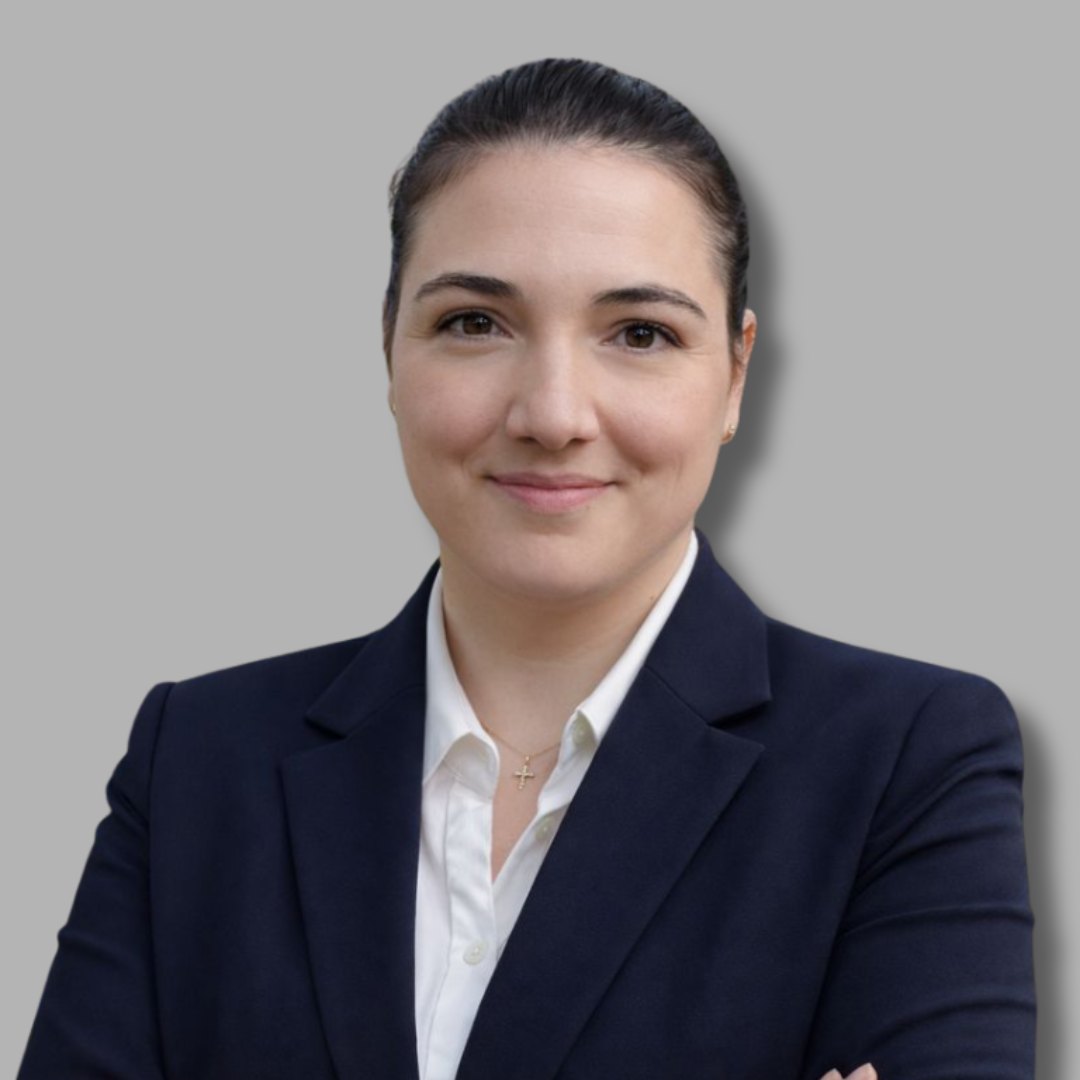 Magdalena SastreIB Spanish tutor · Mallorca
Many students tell me they “did the exercises” and still make the same mistake in the exam. Usually the exercises were fine. The problem was that nothing in them was built to catch the mistake. When I prepare materials for my students, I check them against three questions.
1. Does it show the trap before you fall into it?
Good materials do not only explain the rule. They name the mistake students really make. In a guide to the simple past, for example, I include a small box that warns about the accent: hablé (I spoke) versus habló (he spoke). Another warns that hablamos looks the same in the present and in the past, so the time marker (ayer, el año pasado) is the only clue. A trap you have seen on paper is a trap you notice in the exam.
2. Can you check yourself the same minute?
Practice that waits a week for correction is half as useful. That is why my sheets come with an answer key. The routine is simple: cover the key, write your answers, check, and mark every mistake with a tick next to the rule it broke. Over a few sheets a pattern appears, and the pattern is your real study plan.
3. Does it end by making you speak or write?
Recognising the right form in a gap-fill is not the same as using it when nobody gives you the options. So every guide ends with a production task: a short text to write, or questions to answer aloud, the way the oral exam will ask. At higher level, I also ask students to rewrite a sentence in a more precise or more formal way, because range is part of what is rewarded.
If a sheet never makes you write or speak a full sentence, it is a quiz, not practice.
Try the test on any material
- Pick one page from your current book or worksheet.
- Find the sentence where students usually go wrong. Is it warned about?
- Is there an answer key you can use today?
- Does the page finish with a sentence of your own?
If the answer is no to two of the four, add them yourself: a note about the trap, a self-check, and two sentences in your own words.
If you are the parent
You can judge materials without reading Spanish. Look for three things: an answer key, a clear order (rule, practice, then production) and some space where your child has to write something that is not copied. Then ask them to explain one page to you in English. Teaching it back is the best check there is.
If you would like to see how this works in a real lesson, book an assessment lesson below.
Ready for your 15-minute initial assessment lesson?
Book a 15-minute initial assessment lesson and we will find exactly where you stand, set a clear goal and build a personalised study plan. Choose a time that suits you below.