Past papers: the page most students skip is the one that gives you the marks.
You can sit ten past papers and learn almost nothing. The learning starts after you put the pen down.
 Magdalena SastreIB Spanish tutor · Mallorca
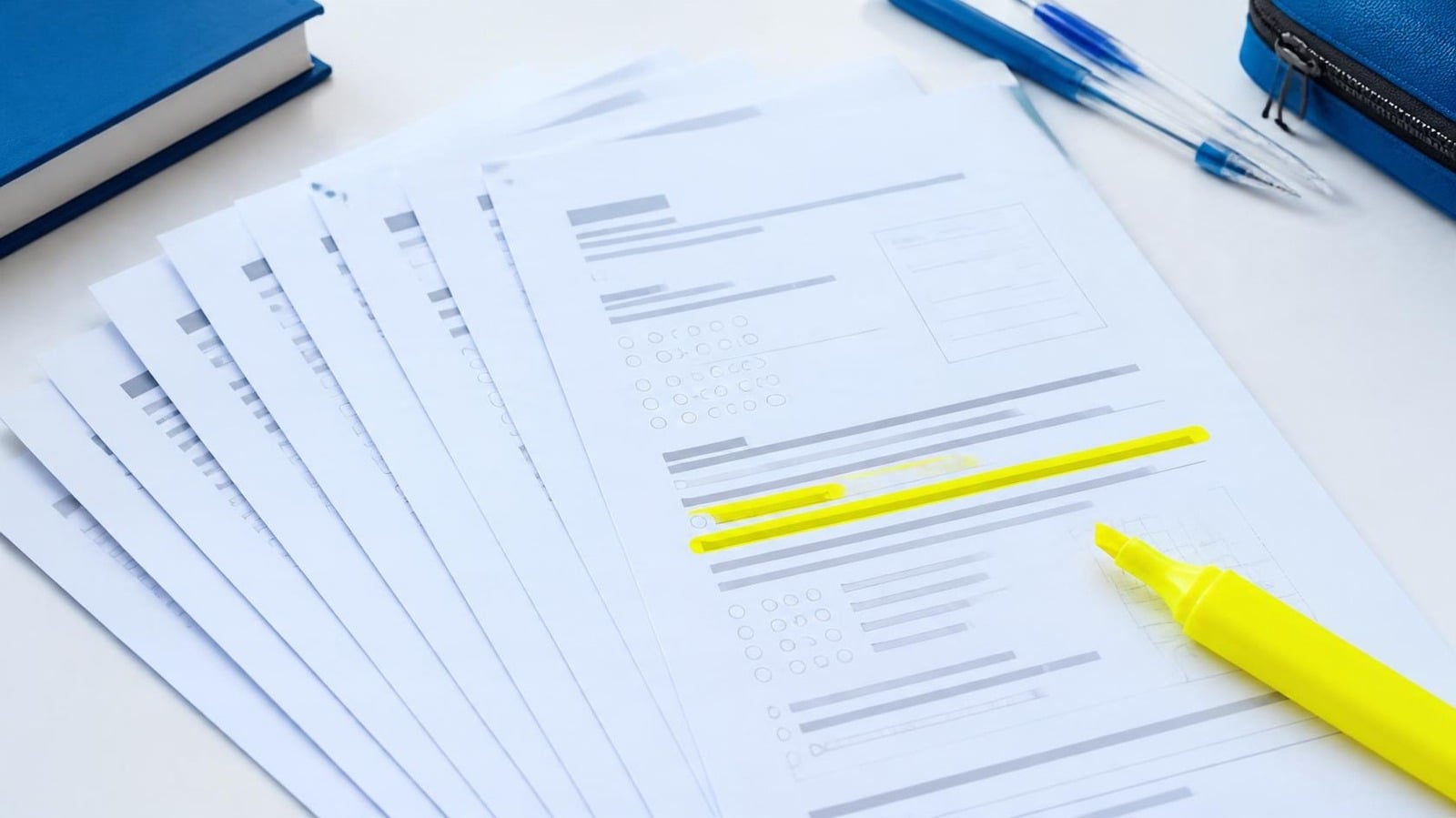
A past paper is the closest thing to a rehearsal, and many students use it like a lottery ticket: do the paper, glance at the score, feel good or bad, and move on. The real work happens in the hour after the paper, and it begins with the page most people skip: the mark scheme.
Three rounds, not one
- Round one: untimed, with notes. The goal is to understand what the question really asks and what a strong answer would need.
- Round two: timed, with the plan you wrote. The goal is speed without losing structure.
- Round three: exam conditions. No notes, no pauses, no dictionary. This one tells you where you really are.
The four-step review
- Read the mark scheme before you read your answer. Look at what the bands reward, so you judge your work against the examiner’s language and not against your mood.
- Mark yourself in a different colour. Underline the sentences that would earn credit and circle the ones that only describe.
- Find the one biggest gap. Not five. One.
- Rewrite one paragraph to close that gap, then keep both versions.
Here is what that rewrite can look like in a text analysis. Before: “El autor usa una metáfora.” After: “La metáfora del «muro» presenta la desigualdad como algo que se construye, no como algo natural, y así invita al lector a sentirse responsable.” Same idea, but the second sentence names the effect and the purpose.
A past paper you do not review is just a very long way of feeling busy.
A note on sources
Use papers that match your course and level, and check that the format is still current, because exams and criteria are updated from time to time. Your school or the IB’s own resources are the safest places to start.
If you are the parent
You do not need to read Spanish to support this. Instead of asking “what mark did you get?”, ask: “what did the mark scheme tell you that you did not know?” Keep a dated folder with the first and third attempt of each paper, so your child can see the difference with their own eyes.
If you would like a second pair of eyes on a real past paper answer, book an assessment lesson below.
Ready for your 15-minute initial assessment lesson?
Book a 15-minute initial assessment lesson and we will find exactly where you stand, set a clear goal and build a personalised study plan. Choose a time that suits you below.